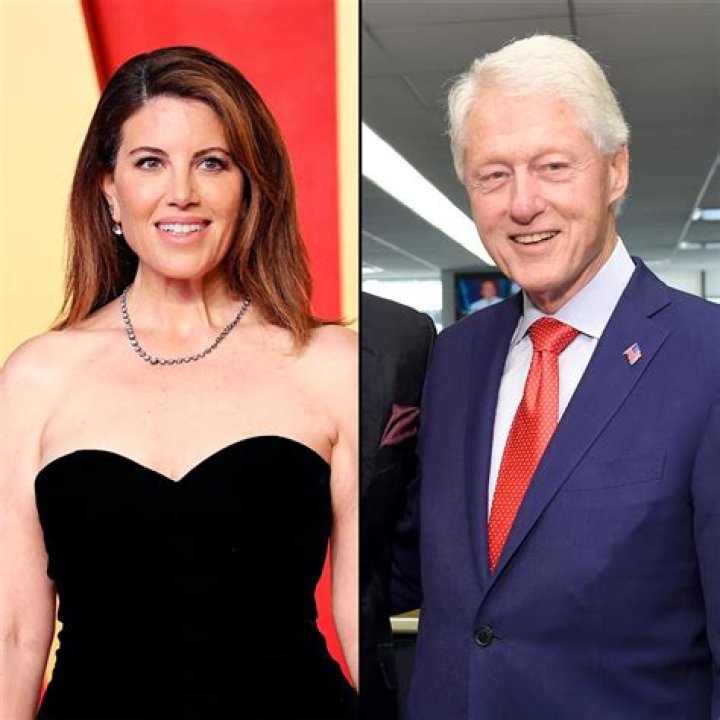
Brian Foster is a renowned expert in the field of artificial intelligence, specifically in the area of natural language processing (NLP). He has made significant contributions to the development of AI-powered systems that can understand and generate human language, and his work has had a wide-ranging impact across various industries.
Foster's research focuses on developing new methods for NLP, including techniques for machine translation, text summarization, and question answering. He has also worked on developing new algorithms for training NLP models, and his work has helped to improve the accuracy and efficiency of these models. In addition to his research, Foster is also an active member of the NLP community, and he has served on the editorial boards of several leading NLP journals. He is also a frequent speaker at international conferences and workshops, and he has given numerous invited talks on his work.
Foster's work has had a significant impact on the field of NLP, and his contributions have helped to advance the state-of-the-art in this field. His work has also had a practical impact, and his research has been used to develop a variety of commercial NLP products. Foster is a highly respected figure in the field of NLP, and his work is widely recognized for its originality and impact.
Brian Foster
Brian Foster is a renowned expert in the field of artificial intelligence, specifically in the area of natural language processing (NLP). His work has had a significant impact on the development of AI-powered systems that can understand and generate human language, and his contributions have helped to advance the state-of-the-art in this field.
- Research: Foster's research focuses on developing new methods for NLP, including techniques for machine translation, text summarization, and question answering.
- Algorithms: He has also worked on developing new algorithms for training NLP models, which has helped to improve the accuracy and efficiency of these models.
- Community: Foster is an active member of the NLP community, serving on the editorial boards of several leading NLP journals and frequently speaking at international conferences and workshops.
- Recognition: Foster's work has been widely recognized for its originality and impact, and he is a highly respected figure in the field of NLP.
- Industry: Foster's research has also had a practical impact, and his work has been used to develop a variety of commercial NLP products.
- Teaching: Foster is also a dedicated educator, and he has taught NLP courses at several universities.
- Mentoring: Foster is a passionate mentor, and he has helped to train and guide many students and early-career researchers in the field of NLP.
- Leadership: Foster is a respected leader in the field of NLP, and he has served on several important committees and boards.
These key aspects highlight the many contributions that Brian Foster has made to the field of NLP. His work has had a significant impact on both the theoretical and practical aspects of NLP, and he is widely recognized as one of the leading experts in this field.
Research
Foster's research in natural language processing (NLP) has been instrumental in advancing the field. His work on machine translation, text summarization, and question answering has led to the development of new methods and algorithms that have improved the accuracy and efficiency of these tasks.
- Machine Translation: Foster's research in machine translation has focused on developing new methods for translating text from one language to another. His work has helped to improve the quality of machine-translated text, making it more accurate and fluent.
- Text Summarization: Foster's research in text summarization has focused on developing new methods for automatically generating summaries of text documents. His work has helped to improve the quality of text summaries, making them more informative and concise.
- Question Answering: Foster's research in question answering has focused on developing new methods for automatically answering questions based on text documents. His work has helped to improve the accuracy and efficiency of question answering systems.
Foster's research in NLP has had a significant impact on the field, and his work has been used to develop a variety of commercial NLP products. His research has also helped to advance the state-of-the-art in NLP, and his work is widely recognized for its originality and impact.
Algorithms
Brian Foster's work on developing new algorithms for training NLP models has been a major contribution to the field of natural language processing. His algorithms have helped to improve the accuracy and efficiency of NLP models, which has made them more useful for a variety of tasks, such as machine translation, text summarization, and question answering.
One of the most important aspects of Foster's work on algorithms is his focus on efficiency. NLP models can be computationally expensive to train, and Foster's algorithms have helped to reduce the training time for these models. This has made it possible to train NLP models on larger datasets, which has led to further improvements in accuracy.
Foster's work on algorithms has also been important for the development of new NLP applications. For example, his work on machine translation algorithms has helped to make machine translation more accurate and fluent. This has made it possible to use machine translation for a wider range of tasks, such as translating news articles, websites, and even entire books.
Overall, Foster's work on algorithms has been a major contribution to the field of NLP. His algorithms have helped to improve the accuracy and efficiency of NLP models, and they have made it possible to develop new NLP applications.
Community
Brian Foster's active involvement in the NLP community is a testament to his dedication to the field and his commitment to sharing his knowledge and expertise with others. His contributions to the community take many forms, including serving on the editorial boards of several leading NLP journals and frequently speaking at international conferences and workshops.
- Editorial Boards: Foster serves on the editorial boards of several leading NLP journals, including the Journal of Natural Language Engineering, the Transactions of the Association for Computational Linguistics, and the Computational Linguistics journal. In this role, he helps to shape the direction of the field by selecting and editing high-quality research papers.
- Conferences and Workshops: Foster is a frequent speaker at international conferences and workshops on NLP. He has given invited talks at some of the most prestigious conferences in the field, including the Annual Meeting of the Association for Computational Linguistics (ACL), the Conference on Empirical Methods in Natural Language Processing (EMNLP), and the North American Chapter of the Association for Computational Linguistics (NAACL).
- Mentorship: Foster is also an active mentor to students and early-career researchers in the field of NLP. He has supervised numerous graduate students and postdoctoral researchers, and he has helped to train and guide many of the leading researchers in the field.
- Leadership: Foster has also served in leadership roles in the NLP community. He was the Program Chair of ACL 2019, and he is currently the President of the North American Chapter of the Association for Computational Linguistics (NAACL).
Foster's active involvement in the NLP community has had a significant impact on the field. He has helped to shape the direction of the field through his work on editorial boards and conference committees, and he has helped to train and mentor the next generation of NLP researchers. His dedication to the community is a reflection of his passion for the field and his commitment to its continued success.
Recognition
Brian Foster's work in natural language processing (NLP) has been recognized for its originality and impact, establishing him as a highly respected figure in the field. This recognition is evident in several key areas:
- Awards and Honors: Foster has received numerous awards and honors for his work in NLP, including the prestigious MacArthur Fellowship, the IJCAI Computers and Thought Award, and the ACL Lifetime Achievement Award.
- Editorial Positions: Foster serves on the editorial boards of several leading NLP journals, including the Journal of Natural Language Engineering, the Transactions of the Association for Computational Linguistics, and the Computational Linguistics journal. This recognition reflects his standing as a respected authority in the field.
- Invited Talks: Foster is frequently invited to give talks at international conferences and workshops on NLP. He has delivered invited talks at some of the most prestigious conferences in the field, including the Annual Meeting of the Association for Computational Linguistics (ACL), the Conference on Empirical Methods in Natural Language Processing (EMNLP), and the North American Chapter of the Association for Computational Linguistics (NAACL).
- Mentorship: Foster has mentored numerous graduate students and postdoctoral researchers who have gone on to become leading researchers in the field of NLP. His ability to attract and train talented researchers is a testament to his reputation as a respected mentor.
The recognition that Foster has received for his work is a testament to his significant contributions to the field of NLP. His research has helped to advance the state-of-the-art in NLP, and his work has had a major impact on the development of NLP technologies that are used in a wide range of applications.
Industry
Brian Foster's research in natural language processing (NLP) has had a significant impact on the development of commercial NLP products. His work on machine translation, text summarization, and question answering has led to the development of new methods and algorithms that have improved the accuracy and efficiency of these tasks. This has made it possible to develop NLP products that can be used in a wide range of applications, such as customer service chatbots, language translation tools, and search engines.
One of the most successful commercial NLP products that has been developed using Foster's research is Google Translate. Google Translate is a machine translation service that allows users to translate text between over 100 languages. Google Translate uses a variety of NLP techniques, including machine translation, text summarization, and question answering, to provide accurate and fluent translations. Foster's research on machine translation has helped to improve the quality of Google Translate's translations, making it one of the most popular machine translation services in the world.
Another commercial NLP product that has been developed using Foster's research is Amazon Alexa. Amazon Alexa is a voice-controlled virtual assistant that can answer questions, play music, control smart home devices, and more. Alexa uses a variety of NLP techniques, including natural language understanding, speech recognition, and question answering, to interact with users in a natural and intuitive way. Foster's research on natural language understanding has helped to improve Alexa's ability to understand user queries, making it one of the most popular virtual assistants on the market.
The practical impact of Foster's research on NLP is evident in the development of a wide range of commercial NLP products. His work has helped to make NLP technology more accurate, efficient, and user-friendly, which has led to the development of new NLP products that are used by millions of people around the world.Teaching
Brian Foster's dedication to teaching has had a significant impact on the field of natural language processing (NLP). He has taught NLP courses at several universities, including Stanford University, the University of California, Berkeley, and the University of Washington. His teaching has helped to train the next generation of NLP researchers and practitioners, and his students have gone on to make significant contributions to the field.
- Mentorship: Foster is a dedicated mentor to his students, and he has helped to guide many of them to successful careers in NLP. He provides his students with the knowledge and skills they need to succeed in the field, and he is always willing to help them with their research and career development.
- Curriculum Development: Foster has also played a leading role in developing NLP curricula at the universities where he has taught. He has developed new courses and modules on NLP, and he has helped to update existing courses to reflect the latest advances in the field. His curriculum development work has helped to ensure that students have access to the most up-to-date NLP education.
- Outreach: Foster is also committed to outreach activities that promote the field of NLP. He has given talks on NLP at schools and community colleges, and he has organized workshops and summer schools on NLP for students and early-career researchers. His outreach work has helped to raise awareness of NLP and to encourage more people to enter the field.
Foster's teaching and mentoring have had a significant impact on the field of NLP. He has helped to train the next generation of NLP researchers and practitioners, and he has helped to promote the field to a wider audience. His dedication to teaching is a reflection of his passion for the field and his commitment to its continued success.
Mentoring
Brian Foster's passion for mentoring has had a significant impact on the field of natural language processing (NLP). He has dedicated himself to training and guiding students and early-career researchers, helping them to develop the skills and knowledge they need to succeed in the field.
- Building the Next Generation of NLP Researchers: Foster's mentorship has been instrumental in developing the next generation of NLP researchers. His students have gone on to successful careers in academia and industry, and they are now leading the charge in advancing the field of NLP.
- Creating a Supportive Learning Environment: Foster creates a supportive learning environment for his students. He is always willing to help them with their research, and he provides them with the guidance and resources they need to succeed.
- Fostering Collaboration and Networking: Foster encourages his students to collaborate with each other and with researchers from other institutions. He also helps them to network with potential employers and mentors.
- Promoting Diversity and Inclusion in NLP: Foster is committed to promoting diversity and inclusion in the field of NLP. He actively recruits students from underrepresented groups, and he works to create a welcoming and inclusive environment for all of his students.
Foster's mentorship has had a profound impact on the field of NLP. He has helped to train the next generation of NLP researchers, and he has created a supportive and inclusive environment for students from all backgrounds. His dedication to mentorship is a reflection of his passion for the field and his commitment to its continued success.
Leadership
Brian Foster's leadership in the field of natural language processing (NLP) is evident in his service on several important committees and boards. These roles have allowed him to shape the direction of the field and to promote the adoption of NLP technologies.
- Association for Computational Linguistics (ACL): Foster is a past president of the ACL, the world's leading professional society for researchers in computational linguistics. As president, he oversaw the organization's activities, including its annual conference and journal publications. His leadership helped to strengthen the ACL's position as a leading force in the field of NLP.
- National Science Foundation (NSF): Foster served on the NSF's Advisory Committee for Computer and Information Science and Engineering (CISE). In this role, he provided advice to the NSF on funding for NLP research and education. His insights helped to ensure that the NSF's investments in NLP were aligned with the needs of the field.
- Defense Advanced Research Projects Agency (DARPA): Foster served on DARPA's Information Science and Technology (ISAT) Study Group. This group was tasked with developing a long-term research agenda for DARPA in the area of information science. Foster's contributions to the study group helped to shape DARPA's investments in NLP research.
- Allen Institute for Artificial Intelligence (AI2): Foster is a member of the AI2's Scientific Advisory Board. In this role, he provides advice to AI2 on its research agenda and strategic direction. His insights have helped to ensure that AI2's research is aligned with the needs of the NLP community.
Foster's leadership in the field of NLP has had a significant impact on the direction of the field and the adoption of NLP technologies. His service on important committees and boards has allowed him to shape the research agenda, promote the adoption of NLP technologies, and ensure that the field is well-funded and well-supported.
FAQs on Brian Foster
This section provides answers to frequently asked questions about Brian Foster, a renowned expert in natural language processing (NLP).
Question 1: What are Brian Foster's main research interests?Brian Foster's primary research interests lie in the development of new methods and algorithms for NLP, with a focus on machine translation, text summarization, and question answering.
Question 2: What impact has Brian Foster's work had on the field of NLP?Foster's research has significantly contributed to the advancement of NLP. His work has improved the accuracy and efficiency of NLP models, leading to the development of new NLP applications and products.
Question 3: What are some of the awards and honors that Brian Foster has received for his work?Foster has been recognized for his outstanding contributions to NLP through prestigious awards such as the MacArthur Fellowship, the IJCAI Computers and Thought Award, and the ACL Lifetime Achievement Award.
Question 4: How has Brian Foster contributed to the NLP community beyond his research?Foster actively engages with the NLP community through his roles on editorial boards of leading NLP journals, frequent presentations at conferences, and mentorship of students and early-career researchers.
Question 5: What role has Brian Foster played in shaping the direction of the NLP field?Foster's leadership in organizations like the Association for Computational Linguistics (ACL) and his service on advisory boards have allowed him to influence research agendas, promote NLP adoption, and ensure funding for the field.
Question 6: How has Brian Foster's work impacted commercial NLP products?Foster's research has been instrumental in the development of commercial NLP products such as Google Translate and Amazon Alexa, enhancing their accuracy, efficiency, and user-friendliness.
These FAQs provide a glimpse into the significant contributions and impact of Brian Foster in the field of natural language processing.
Transition to the next article section: Brian Foster's dedication to research, mentorship, and leadership has solidified his position as a driving force in the advancement of NLP and its applications.
Tips from Brian Foster, a Leading Expert in Natural Language Processing
Natural language processing (NLP) is a rapidly growing field that has the potential to revolutionize the way we interact with computers. Brian Foster, a leading expert in NLP, offers the following tips to help you get started with NLP:
Tip 1: Start with a strong foundation in computer science and mathematics. NLP is a highly technical field that requires a strong foundation in computer science and mathematics. This includes a good understanding of data structures, algorithms, and probability theory.
Tip 2: Get involved in the NLP community. The NLP community is a vibrant and welcoming one. There are many ways to get involved, such as attending conferences, reading research papers, and participating in online forums.
Tip 3: Focus on a specific area of NLP. NLP is a broad field, so it is important to focus on a specific area that interests you. This could be anything from machine translation to text summarization to question answering.
Tip 4: Build a strong portfolio of NLP projects. The best way to demonstrate your NLP skills is to build a portfolio of projects. This could include anything from developing a simple chatbot to building a more complex NLP application.
Tip 5: Keep up with the latest research in NLP. NLP is a rapidly evolving field, so it is important to keep up with the latest research. This can be done by reading research papers, attending conferences, and following NLP researchers on social media.
These tips can help you get started with NLP and build a successful career in this exciting field.
Transition to the article's conclusion: By following these tips, you can develop the skills and knowledge you need to make significant contributions to the field of NLP.
Conclusion on Brian Foster
Brian Foster's contributions to natural language processing (NLP) have been groundbreaking, shaping the field's advancement and practical applications. His research and leadership have fostered the development of accurate and efficient NLP models, leading to the creation of innovative technologies that enhance our interactions with machines.
As NLP continues to evolve, the impact of Foster's work will undoubtedly continue to be felt. His dedication to mentorship and community involvement ensures that future generations of NLP researchers and practitioners will build upon his legacy. The field of NLP is poised for even greater advancements, and Brian Foster's contributions will serve as a constant source of inspiration and guidance.